
Thailand’s New Rooftop Solar Policy Creates New Demand for Smarter Energy Measurement
Sep 20, 2026
Thailand’s residential solar market is entering a new stage of development.
In 2026, Thailand approved a new round of its residential rooftop solar power purchase programme. Under the programme, participating households can use solar electricity on-site and sell surplus electricity to the grid at THB 2.20 per kWh.
The programme targets up to 500 MW of total purchasing capacity nationwide. Each residential electricity meter can offer up to approximately 5 kW, with a power purchase agreement of up to 10 years.
This policy is expected to encourage more Thai households to install rooftop photovoltaic systems while creating new opportunities for solar inverters, distribution equipment, energy storage systems, smart meters and electrical installation services.
From Solar Generation to Smart Energy Management
Under a net-billing model, electricity imported from the grid and surplus solar electricity exported to the grid are calculated separately.
Because the export tariff may be lower than the retail electricity price, simply producing more solar electricity does not always provide the best financial return. Households can gain greater value by increasing solar self-consumption—for example, by operating air conditioners, water pumps, EV chargers or other loads during periods of high solar generation.
Energy storage systems can also store surplus solar energy for use during the evening instead of immediately exporting it to the grid.
To implement these strategies effectively, the inverter or energy management system needs accurate, real-time information about:
- Electricity imported from the utility grid
- Surplus solar electricity exported to the grid
- Household power consumption
- Solar generation and load direction
- Battery charging and discharging
- Voltage, current, power and power factor
This is where reliable bidirectional energy measurement becomes essential.
Acrel ADL200N-CT and ADL400N-CT for Solar PV and Energy Storage
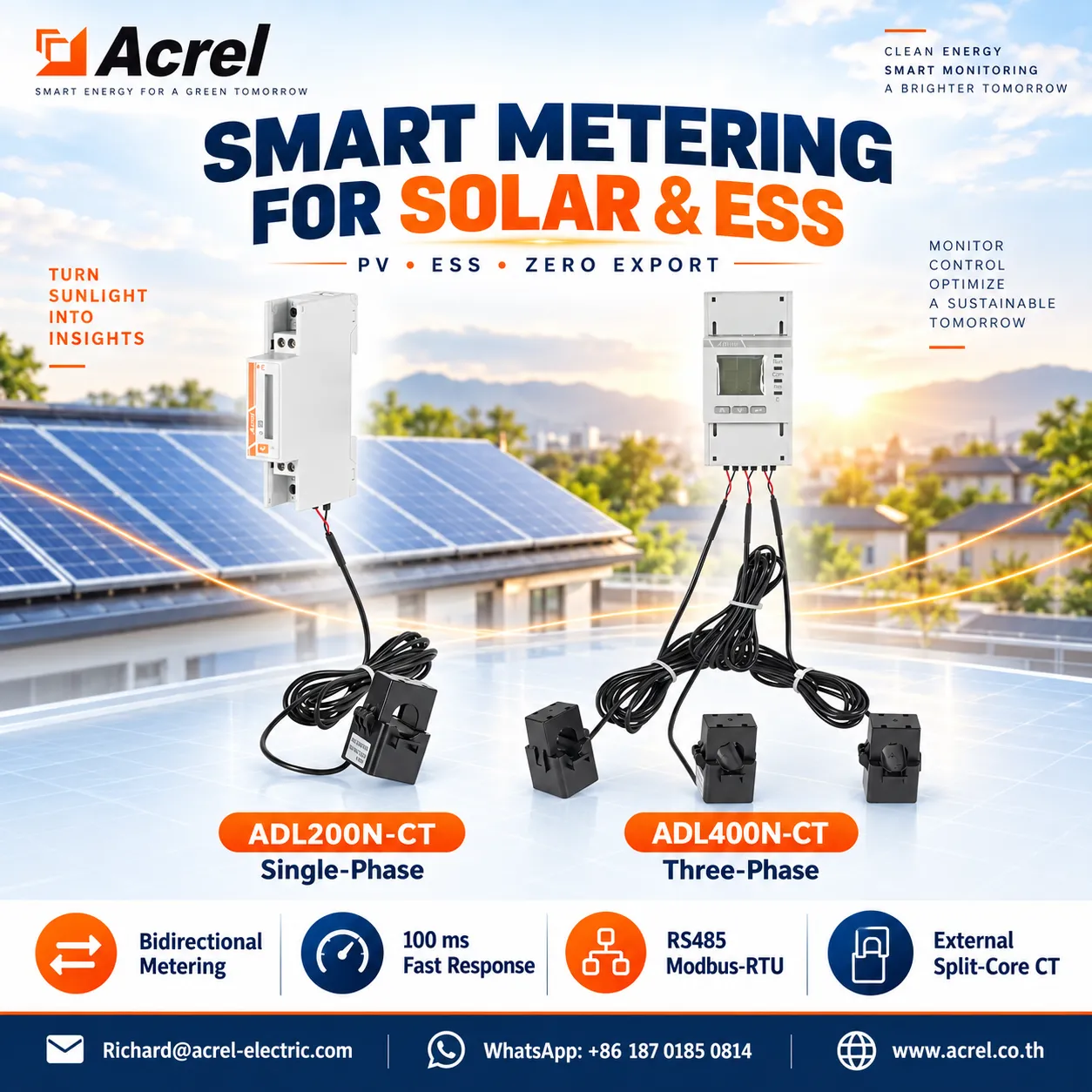
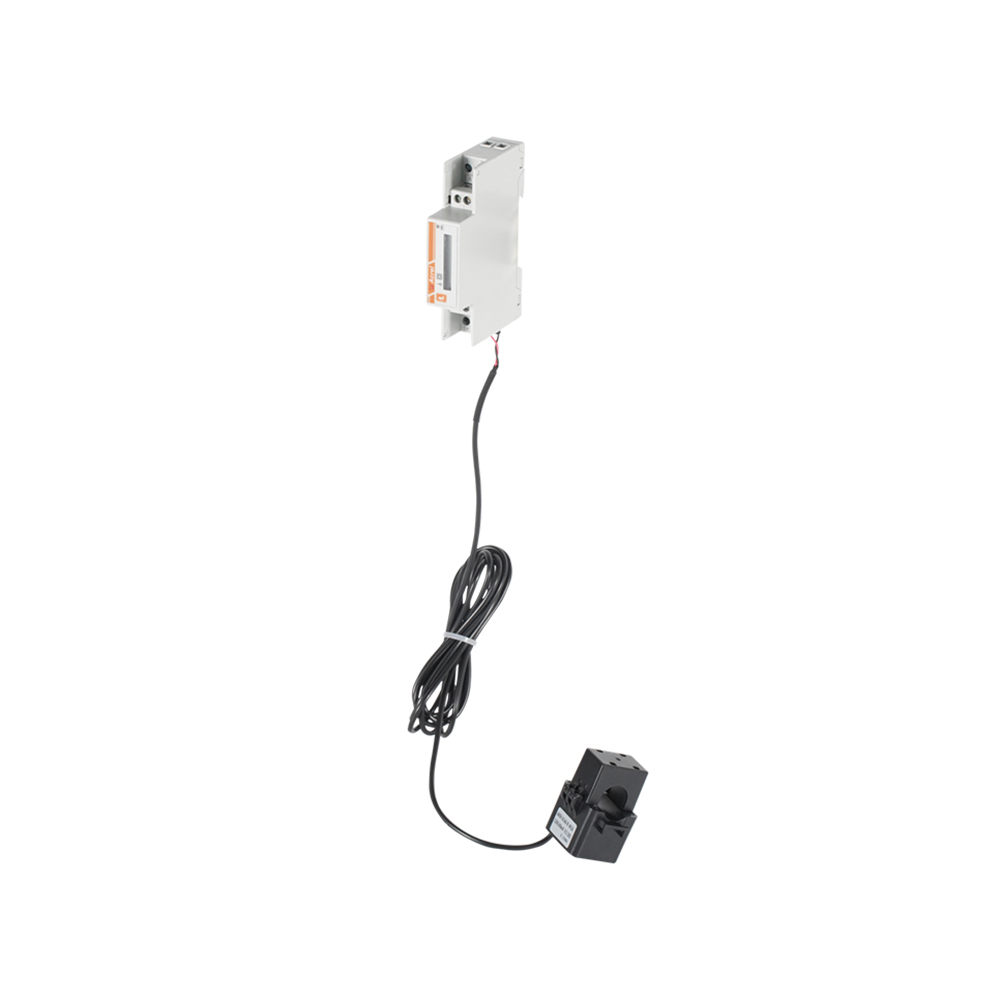
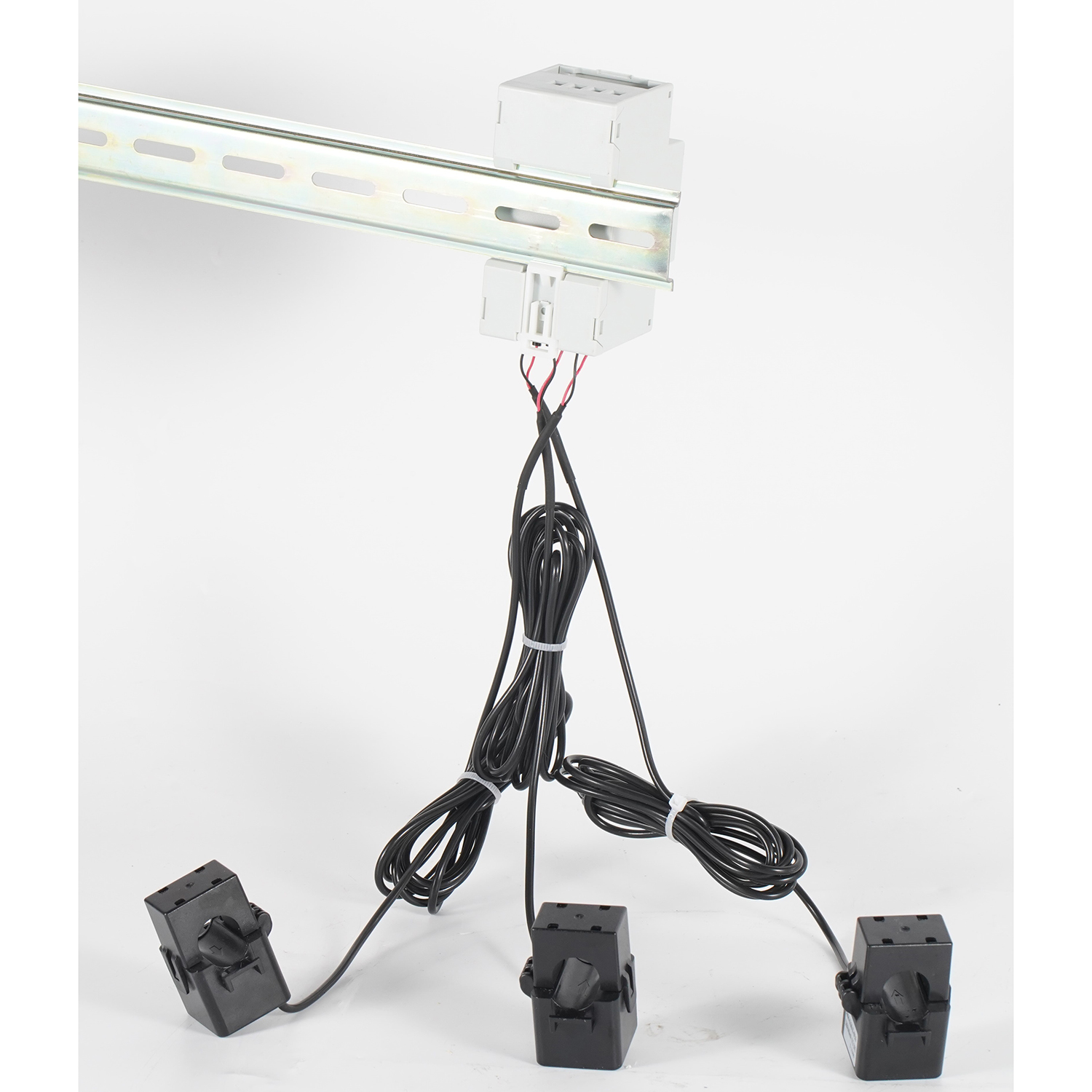
Acrel ADL200N-CT and ADL400N-CT are DIN-rail bidirectional energy meters developed for distributed photovoltaic, energy storage and inverter control applications.
The ADL200N-CT is designed for single-phase systems and is suitable for most residential rooftop solar installations.
The ADL400N-CT is designed for three-phase systems and is suitable for larger houses, villas, shops, small commercial buildings and other three-phase solar applications.
Both models can measure electricity flow in two directions, helping the connected inverter or energy management system identify whether the site is importing electricity from the grid or exporting surplus solar power.
Key Benefits
(Click picture to check details)
Bidirectional Energy Measurement
The meters measure both forward and reverse active energy, supporting grid-import and solar-export monitoring.
This allows homeowners and system operators to better understand how much solar electricity is consumed on-site and how much is exported to the utility grid.
Fast Data Response
With a response time as fast as 100 ms for key electrical parameters, the meter can quickly provide power-flow information to compatible solar inverters or energy management controllers.
Fast measurement is especially important for export limitation, battery control and dynamic power regulation.
Easy Retrofit with External CTs
The meters work with external current transformers in current ranges such as 80 A, 120 A, 200 A and 300 A.
Split-core CT options can simplify installation in existing distribution boards because the power cable does not normally need to be disconnected or removed during CT installation.
RS485 Modbus Communication
RS485 Modbus-RTU communication enables convenient integration with compatible:
- Solar inverters
- Hybrid inverters
- Energy storage systems
- Home energy management systems
- Building energy management platforms
- Data gateways and monitoring systems
Comprehensive Electrical Measurement
Depending on the selected model and configuration, the meter can monitor key parameters including:
- Voltage
- Current
- Active power
- Reactive power
- Apparent power
- Power factor
- Frequency
- Forward and reverse active energy
These measurements help installers, homeowners and system integrators evaluate solar-system performance and identify abnormal energy-flow conditions.
Recent Posts


Contact US
Product Information
Quantity
Unit
Piece
Support order samples, customization, wholesale direct, and complete payment. If the product you look for does not have corresponding customized content, pls fill out the form below to contact us, and we will reply ASAP.